


On the anniversary of Guineas 2009 stadium massacre, the quest for justice and accountability continues amidthe daily realities of military rule and fresh tensions over a controversial referendum.
Sixteen years after the Conakry stadium massacre, Guineans are reminded of one of the darkest chapters in their recent history.
On 28 September 2009, security forces stormed a peaceful opposition rally at the capitals main stadium.
By the time the violence subsided, at least 156 people had been killed and more than a hundred women had been subjected tobrutal sexual violence, according to a UN investigation.
For the survivors, the long road to justice has finally begun to show some results.
Human rights activists want answers to Conakry stadium massacre
Reparation for survivors
This years anniversary comes just months after the Guinean government opened thefirst phase of reparationsfor victims.
At a ceremony in May inside the Court of Appeal in Conakry where the long-awaited trial unfolded survivors wept as they were handed cheques in compensation from the state.
We are gathered to put into execution the content of this decree and give the victims cheques corresponding to the amount fixed by the judicial decision, saidJustice Minister Yaya Kairaba Kaba.
For Asmaou Diallo, president of theAvipa victims association, the moment marked a rare glimpse of closure after years of waiting.
Today, I can breathe a sigh of relief, she told RFI, recalling the years of doubt over whether the state would ever pay up.
Since the ruling, more than 300 victims are to receive reparations, with funds drawn directly from the national budget after the convicted perpetrators were deemed unable to cover the damages themselves.
Outcry in Guinea as ex-military leader Camara pardoned by junta chief
Camara's release condemned
Former junta leader Moussa Dadis Camara who ruled the country between 2008 and 2009 was sentenced in July 2024 to20 years in prisonfor crimes against humanity.
Judges found him guilty on the basis of command responsibility and for his intention to repress the rally.
But in March this year, Colonel Mamadi Doumbouya the current head of Guineas transitional military government announced Camaras release, citing health reasons.
The pardon stunned victims families and drew sharp criticism from international observers.
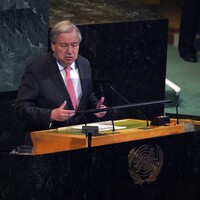
On Thursday, UN human rights chief Volker Trk explicitly warned thatinternational law forbids pardonsfor crimes as grave as those committed on 28 September.
He also called on Conakrys rulers to free political detainees, end arbitrary arrests and lift restrictions on opposition parties and the press. The Guinean authorities must, above all, lift the unacceptable bans targeting political parties and the media, Trk insisted.
Guinea votes on new constitution as junta leader eyes presidency
That appeal resonates strongly in the current climate. This week,Guineas oppositiondenounced as a masquerade the 21 September referendum that paved the way for Colonel Doumbouyas potential candidacy in upcoming presidential elections.
While the transitional government has hailed the vote as a step towards restoring constitutional order, civil society groups warn that freedoms remain tightly curtailed, with journalists andactivists facing harassmentor even disappearance.
Originally published on RFI